 PickVids
Best Ideas & learning (other) Videos
「Ideas & learning (other)」下面有17部被不同的人、在不同月份推荐过的视频。挑的时候先看对象:入门0部,适合还没学过的人;进阶0部,适合已经懂术语的人;普通向17部,按兴趣就能看;更硬的0部,留给想看推导或细节的人。这一类数量最多的是演讲,所以它们的共同点是一位讲者把一个判断讲完,例子是为了撑住这个判断。常出现的频道包括TED、CGP Grey、Talks at Google。目录给这个主题划的范围是:Other ideas and education topics: TED talks on varied subjects, general interest lectures, interdisciplinary talks, wisdom-of-crowds style curiosities.如果只看三部,就从《Massive-scale online collaboration | Luis von Ahn》开始,它负责把问题讲出画面;然后看《Your Post Code Is the Directions, Not the Destination》,换一种讲法或例子;最后看《The paradox of choice | Barry Schwartz | TED》,留给已经有基础的人。页面按每页24部切开,顺序看的是被推荐跨越了多少个月,不是播放量。每条标题下面那一句是这部片子自己的内容说明,用来区分它在讲定义、过程、演示还是观点。点进去能看到推荐原话、原文链接和适合谁看。看的时候把强烈推荐当成有人明确叫你去看,把引用当成只是拿来举例,把批评留下来对照,不要把每条评论都当成同一力度。
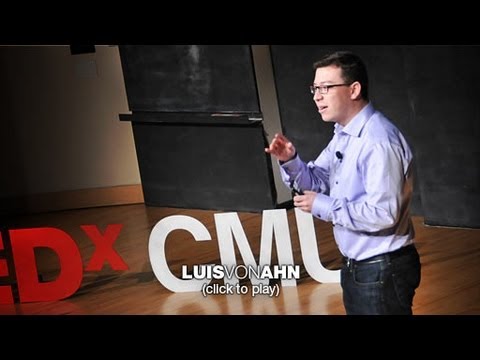
Massive-scale online collaboration | Luis von Ahn
Luis von Ahn, creator of CAPTCHA and reCAPTCHA, explains how small contributions from many people online can digitize books.

Your Post Code Is the Directions, Not the Destination
CGP Grey explains that postal codes are routing instructions for mail rather than geographic regions.
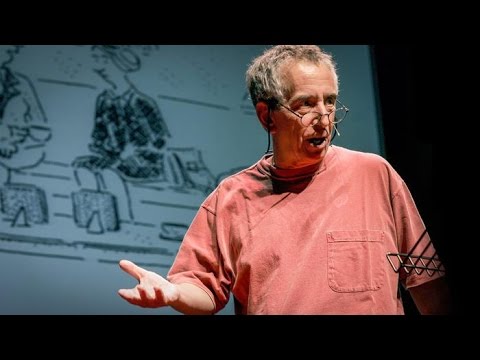
The paradox of choice | Barry Schwartz | TED
Psychologist Barry Schwartz argues in this TED talk that abundant choice makes people more paralyzed and dissatisfied rather than freer and happier.

How to tie your shoes | Terry Moore
Terry Moore's three-minute TED talk showing a better way to tie shoes, replacing the common granny knot with a square knot so laces stay tied.

Social Physics: How Good Ideas Spread | Sandy Pentland | Talks at Google
Sandy Pentland of MIT presents his book on social physics, which uses big-data studies of how people interact to explain how ideas spread.
Learning from dirty jobs | Mike Rowe
Mike Rowe, host of Dirty Jobs, shares stories from messy real-world jobs in this TED talk.
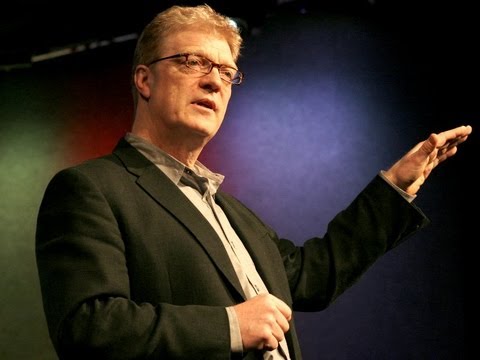
Do schools kill creativity? | Sir Ken Robinson | TED
Sir Ken Robinson argues, with humor and stories such as that of choreographer Gillian Lynne, that education systems undermine creativity and should be changed.
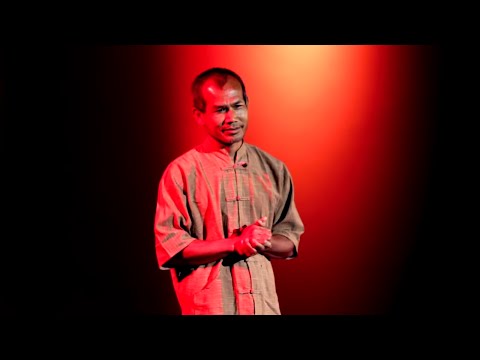
Life is easy. Why do we make it so hard? | Jon Jandai | TEDxDoiSuthep
Thai farmer Jon Jandai talks about leaving Bangkok to farm and build his own house, arguing that food, shelter, clothing and medicine are easy to provide and that modern life is made needlessly complicated.

The call to learn | Clifford Stoll
Clifford Stoll's energetic TED talk, a wandering mix of anecdotes, a science experiment and thoughts on curiosity, education and technology.

Make love, not porn (Adult content) | Cindy Gallop
Cindy Gallop gives a 4-minute TED2009 talk arguing hardcore pornography has distorted how young men think about sex.

How to grow fresh air | Kamal Meattle
Researcher Kamal Meattle describes how an arrangement of three common houseplants placed in specific spots can measurably clean the air in a home or office.
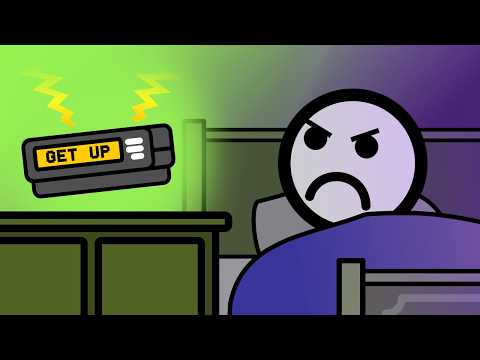
You Lose an Hour of Sleep to Save $4
CGP Grey explains the mess of Daylight Saving Time, including its dubious energy savings and the odd cases like Arizona that opt out.
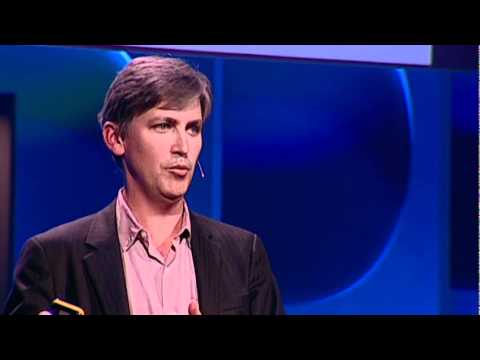
Where good ideas come from | Steven Johnson
Steven Johnson's TED talk argues that good ideas come from connected, slow-building hunches and liquid networks, from London coffee houses to Darwin to the modern web, rather than lone Eureka moments.

Antifragille: Things That Gain from Disorder | Nassim Nicholas Taleb | Talks at Google
Nassim Nicholas Taleb talks at Google about his book Antifragile, on systems that gain from disorder and volatility.
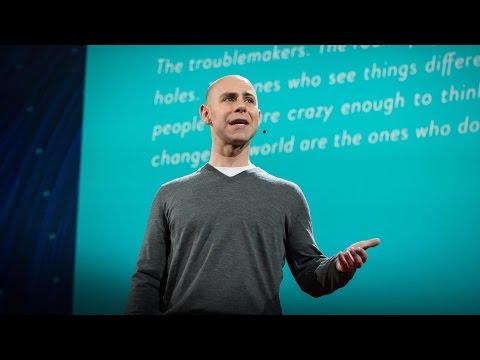
The surprising habits of original thinkers | Adam Grant | TED
Adam Grant's TED talk on the habits of original thinkers, including procrastination and embracing failure.
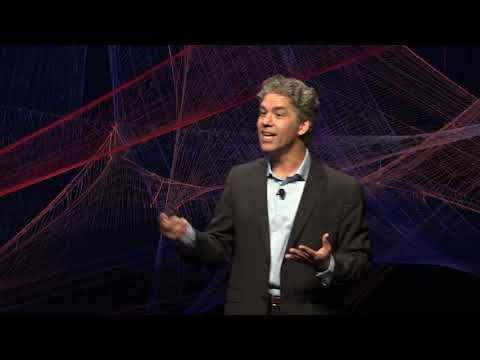
Copyrighting all the melodies to avoid accidental infringement | Damien Riehl | TEDxMinneapolis
Lawyer and musician Damien Riehl argues that music is math with a finite number of melodies, and describes how he and programmer Noah Rubin generated every possible melody and released them under CC0 to avoid accidental infringement claims.

Which country does the most good for the world? | Simon Anholt
Policy advisor Simon Anholt presents the Good Country Index, a measure of how much each nation contributes to the world beyond its own borders.