 PickVids
Best History of computing Videos
「History of computing」下面有231部被不同的人、在不同月份推荐过的视频。挑的时候先看对象:入门6部,适合还没学过的人;进阶50部,适合已经懂术语的人;普通向173部,按兴趣就能看;更硬的2部,留给想看推导或细节的人。这一类数量最多的是演示,所以它们的共同点是先看到做成了什么,再决定要不要追细节。常出现的频道包括Computer History Museum、TheTedNelson、CuriousMarc。目录给这个主题划的范围是:Computing history: early computers, mainframes, Bletchley Park, ENIAC, Xerox PARC, Unix history, minicomputers, personal computer revolution, historical lectures and museum restorations.如果只看三部,就从《AT&T Archives: Similiarities of Wave Behavior (Bonus Edition)》开始,它负责把问题讲出画面;然后看《Micro Men - 720p (2009)》,换一种讲法或例子;最后看《Light Years Ahead | The 1969 Apollo Guidance Computer》,留给已经有基础的人。页面按每页24部切开,顺序看的是被推荐跨越了多少个月,不是播放量。每条标题下面那一句是这部片子自己的内容说明,用来区分它在讲定义、过程、演示还是观点。点进去能看到推荐原话、原文链接和适合谁看。看的时候把强烈推荐当成有人明确叫你去看,把引用当成只是拿来举例,把批评留下来对照,不要把每条评论都当成同一力度。

Plan 9: Not dead, Just Resting, by Ori Bernstein
Ori Bernstein gives an overview of Plan 9 at a NYC*BUG meeting.

Charles Babbage and Difference Enginge No. 2 | Doron Swade | Talks at Google
Historian Doron Swade tells the story of Charles Babbage's quest to build the Difference Engine and the construction of Difference Engine No.

TRON Smart House
A short video of the first TRON Smart House, built in 1989 as a demonstration of ubiquitous and ambient computing in the home.
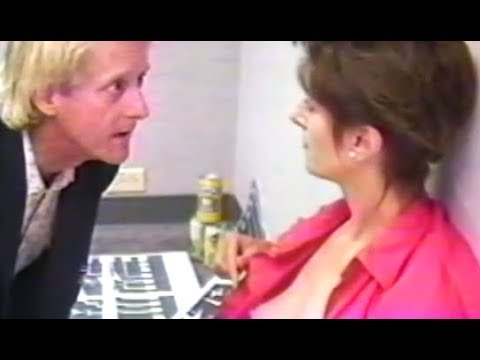
"Silicon Valley Story" — a Very Short Romantic Comedy by Ted Nelson
A short romantic comedy by Ted Nelson about the 'microcircuitry of love', with Doug Engelbart as his father and Stewart Brand as the villainous CEO.
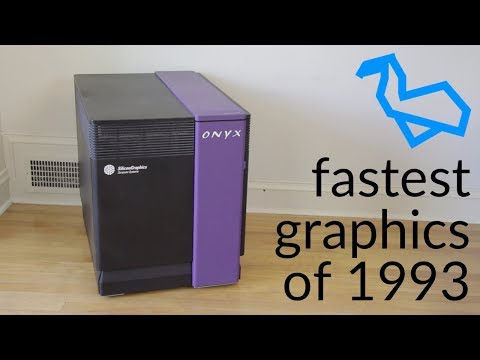
SGI's $250,000 Graphics Supercomputer from 1993 - Silicon Graphics Onyx RealityEngine²
Dodoid gives an in-depth look at an SGI Onyx RealityEngine2, a $250,000 graphics supercomputer from 1993, covering its history, a physical overview, a teardown and some demos and games.
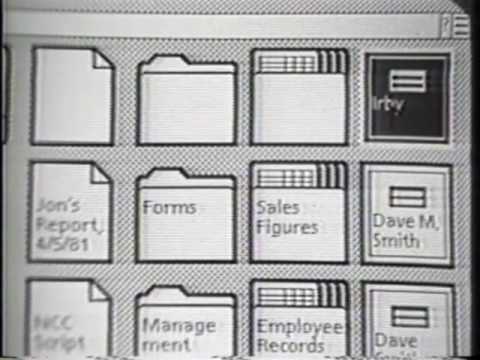
Xerox Star User Interface (1982) 1 of 2
A demonstration of the 1982 Xerox Star user interface, including its desktop, icons, documents, networking and printing.

Kirk McKusick - A Narrative History of BSD
Kirk McKusick gives a narrative history of the Berkeley Software Distributions at MeetBSD California.

Macintosh Factory
A video tour of Apple's highly automated Macintosh factory in Fremont, California, where the Mac SE and Macintosh II were built.
Oral History of William David "Bill" Mensch Jr.
A Computer History Museum oral history with Bill Mensch, designer of the 6502 and 65816, covering his path from a Pennsylvania farm through Motorola and later work.

Yesterday's Computer of Tomorrow: The Xerox Alto │Smalltalk-76 Demo
A Computer History Museum demonstration with Dan Ingalls of Smalltalk-76 running on a Xerox Alto, recorded in 2017.
Brian Kernighan: UNIX, C, AWK, AMPL, and Go Programming | Lex Fridman Podcast #109
Lex Fridman interviews Brian Kernighan, co-author of The C Programming Language and co-creator of AWK and AMPL.

SymbolicsTalk28June2012
Kalman Reti, one of the last Symbolics developers, gives a roughly hour-long talk on Symbolics Lisp machines.

Bill Atkinson: Polaroids showing the Evolution of the Lisa GUI
Bill Atkinson shows and explains his binder of Polaroids taken during Lisa development, documenting how its graphical interface evolved.
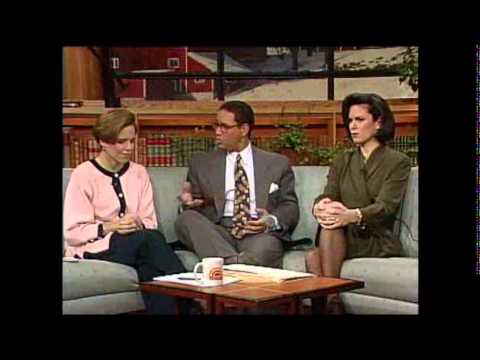
1994: "Today Show": "What is the Internet, Anyway?"
A 1994 Today Show clip in which hosts puzzle over what the Internet is and how to say the at-sign in email addresses.

Douglas Engelbart Interviewed by John Markoff of the New York Times
A Computer History Museum interview in which John Markoff of the New York Times talks with Douglas Engelbart about his life and research.

Typesetters in the '80s - Computerphile
Professor Brailsford of the University of Nottingham describes how the university set out to print its own mathematics exam papers in the 1980s.

Grace Hopper Lecture
A lecture by Commodore Grace Hopper on the future of computing, posted by MIT Lincoln Laboratory.
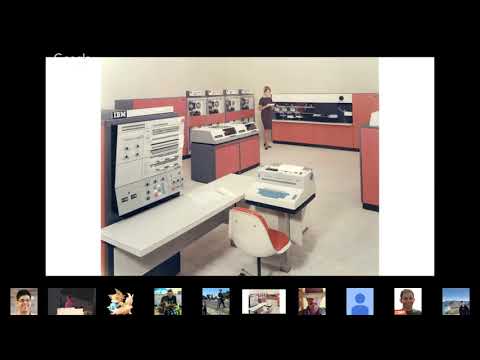
The History of Unix, Rob Pike
Rob Pike gives an insider's account of the history of Unix and the development of key pieces of modern computing, including Bell Labs anecdotes.

A History of The ARM Microprocessor | Dave Jaggar | Talks at Google
Dave Jaggar, who defined much of the ARM architecture, recounts how Acorn's near-extinction led to ARM, including the history of Thumb, StrongARM, and the Austin team.

DEC LAB-8/e (PDP-8/e) playing music
A 1971 DEC LAB-8/e (PDP-8/e) minicomputer plays music by inducing noise into a nearby AM radio.

1979: Will WORD PROCESSORS start a HOME WORKING revolution? | Past Predictions | BBC Archive
A 1979 BBC Nationwide report asking whether word processors and networked microprocessors could end office commuting.

How Japan Learned Semiconductors
Asianometry traces the 30-year rise and peak of Japan's semiconductor industry from the 1950s to the 1980s, covering how a postwar country gained competence in an emerging technology.

Computers for Cynics 2 - It All Went Wrong at Xerox PARC
Ted Nelson, in his Computers for Cynics series, gives a critical history of Xerox PARC's vision of personal computing.

James Gosling - Simula: a personal journey
James Gosling gives a personal talk at the 50th anniversary seminar of Simula about using the language from 1974 and how it shaped his thinking.